Buying from Japanese Dealers
If you want something a bit more expedient than auction houses - there’s nothing stopping you from buying a car from a regular dealer’s lot in Japan.
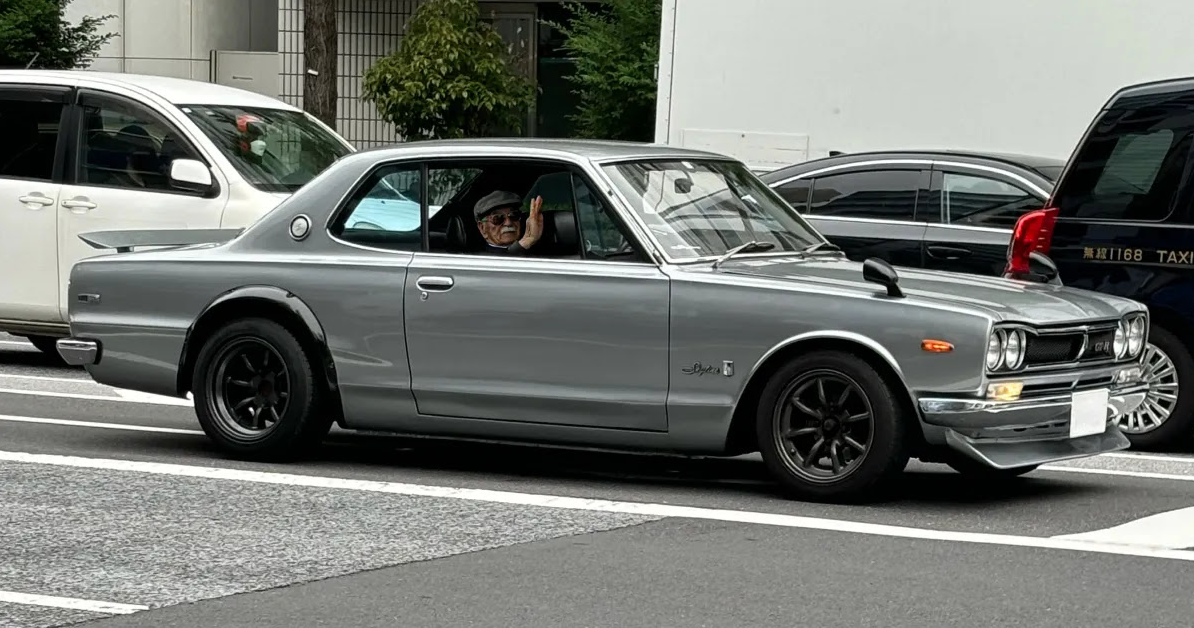
One of the first ever Skyline GT-Rs on the streets of Akihabara
You’ll still need a local agent and/or exporter to make that purchase on your behalf. Dealer cars will often be more expensive than auction cars. But if you find the exact car that you want on a dealer’s lot - it may be worth it to you to just grab it up while you can.
The gold standard for browsing used car dealers in Japan is “Goo Net”. It can be a little tricky to navigate at first - but there are some real gems to be found if you keep digging. And while Goo Net is a useful tool, it’s far from the only method of finding export-eligible JDM cars. A good exporter will be able to buy and ship any car in Japan - regardless of where either of you found it.
Once you’ve found a JDM car to call your own - you still need to figure out how to get it out of Japan. Your exporter should be able to arrange everything up to the point of arrival in the US relatively quickly.
Whether you bought a car from an auction or a dealer - they’ll want it off their lot as soon as possible. This means contracting with local 陸送 "rikuso" transporters. Your exporter will arrange for someone to pick up your car, and trailer it to the nearest port.
Then it’s time for all the Japan-side paperwork:
There are several different shipping companies - and your exporter will likely reach out to all of them, in an effort to ship your car as fast as possible. There are two types of vessels which ship JDM cars from Japan to The United States:
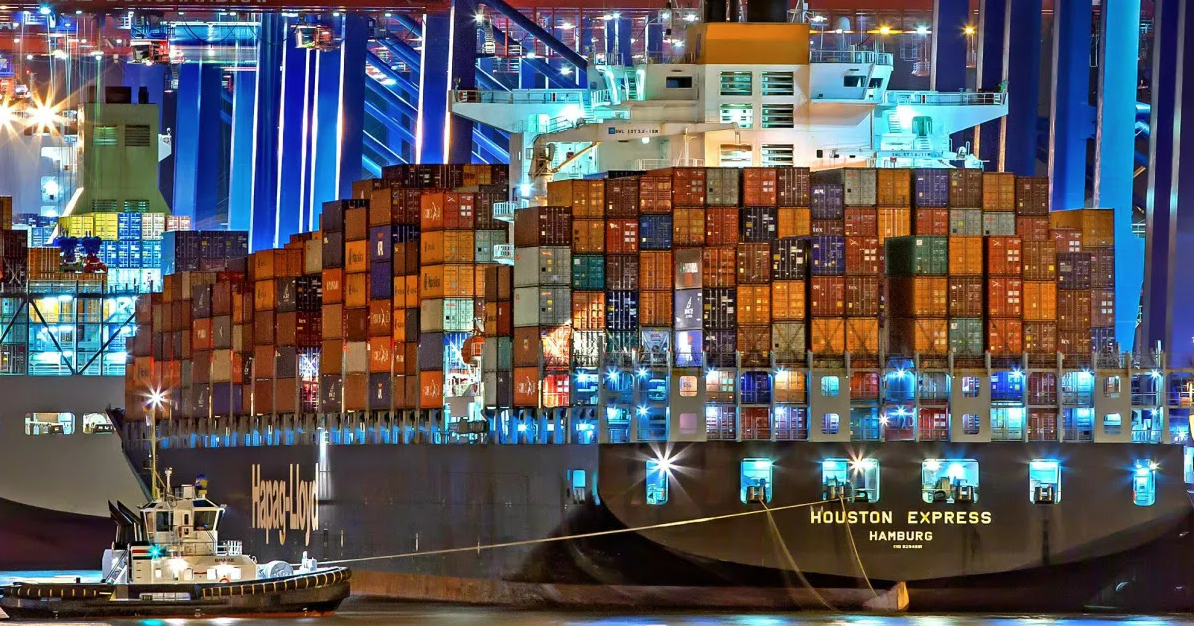
A Hapag-Lloyd container vessel
Container ships make up about 80% of all liner vessels. They are a popular choice for people importing more than one car over an extended period of time. Because you pay for the container itself - it can make sense to spread that cost over multiple vehicles.
Container Vessel Pros:
Container Vessel Cons:
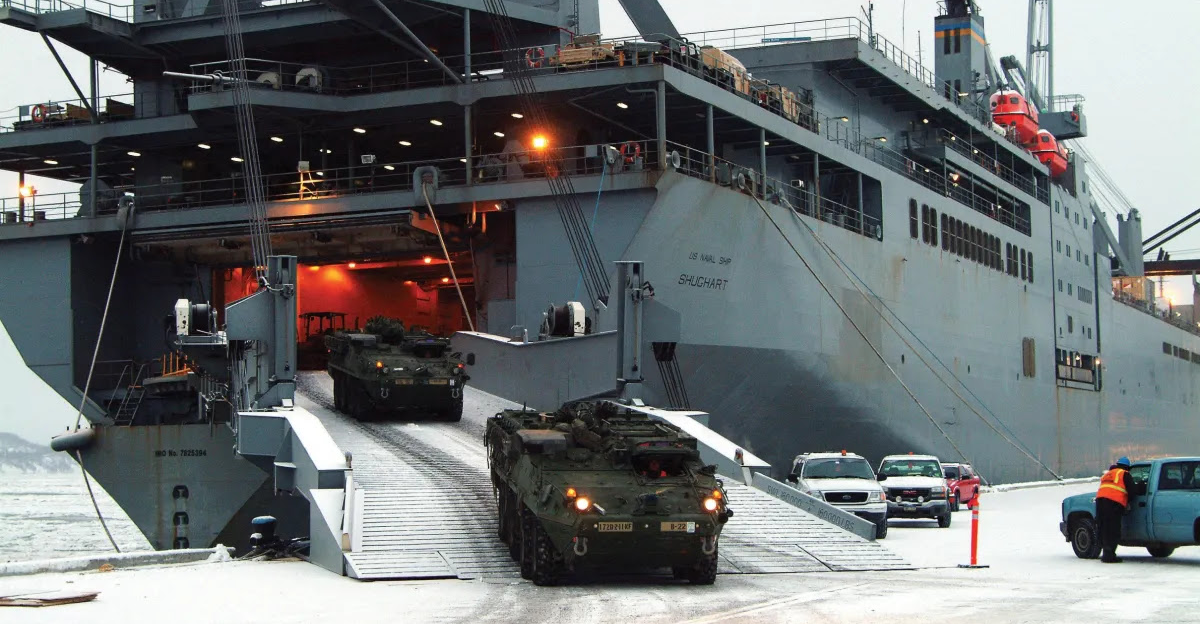
Ro-ro ships are essentially giant floating parking lots. The name "roll-on/roll-off" refers to the act of simply driving your car on and off the boat.
A military ro-ro vessel loading armored personnel carriers
Because these vessels are designed for the sole purpose of carrying cars, the majority of the spaces are taken up by brand new cars from manufacturers. This puts an individual importing a single used car at a lower priority than someone like Nissan, Honda, or Toyota.
Ro-ro Vessel Pros:
Ro-ro Vessel Cons: